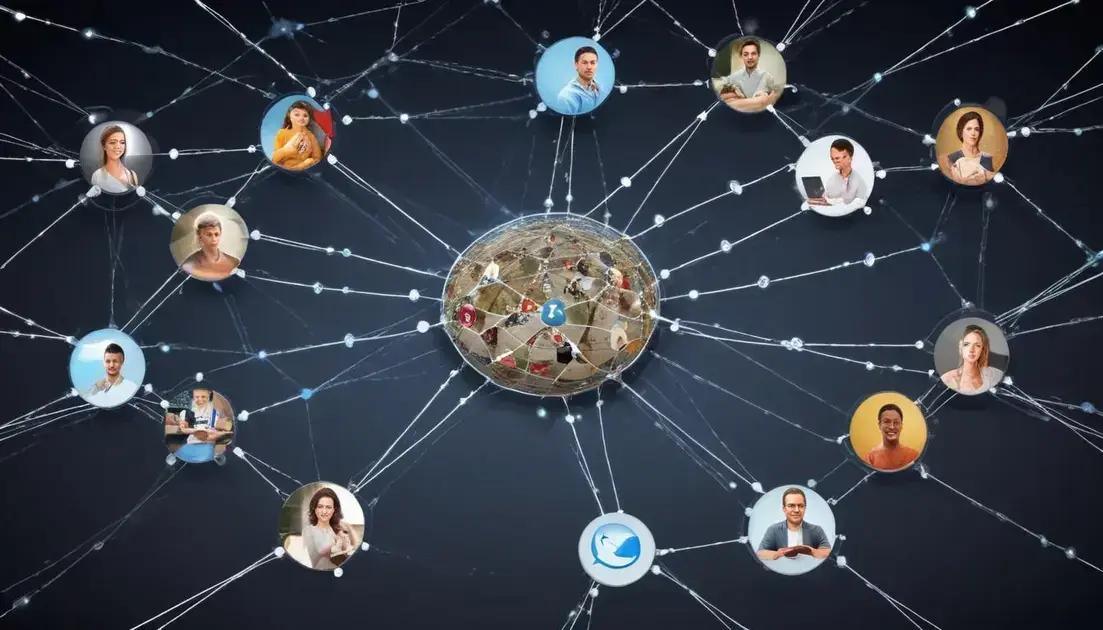
The new ideologies of the 21st century: from networks to radicalism
Digital polarization significantly impacts societal ideologies in the 21st century, driving a wedge between different viewpoints. Social media and networks play critical roles in spreading ideas, both positive and negative, which can lead to the rise of radicalism. Understanding these factors is essential for promoting constructive dialogue and fostering community engagement, as education and open-mindedness are vital for addressing challenges and building a more inclusive society.
Digital Polarization is reshaping our understanding of ideologies in the 21st century. As we dive into this topic, questions arise: How do these changes affect our daily lives? What does it mean for the future?
Introduction to Digital Polarization
Digital polarization affects our world in many ways. It drives a wedge between different groups. Digital Polarization refers to the increasing divide in opinions and beliefs, often influenced by social media. It can create echo chambers, where only similar views are heard. This makes it tough to find common ground.
Understanding the Impact
Social media platforms can shape our thoughts. They show us content that matches our interests. This can make our view of the world narrower. People begin to see issues only from their angle. It’s essential to know how this polarization can distort reality.
The Role of Networks
Networks play a key role in spreading ideas. They can help connect people, but they can also separate them. Algorithms determine what we see online. Sometimes, this leads to a skewed understanding of important topics.
Examples in Everyday Life
You might have noticed how friends on social media share the same articles or memes. This is part of digital polarization. It’s common for people to share posts that only reinforce their views. This can lead to conflicts and misunderstandings in conversations.
In real-life debates, people might struggle to agree on facts when they come from different online sources. This is why awareness is crucial. Discussing varying opinions can help bridge divides and foster understanding.
Explaining 21st Century Ideologies
In the 21st century, ideologies have transformed significantly. Many people now focus on technology and social issues. Our views are shaped by global events and cultural shifts. 21st Century Ideologies often blend traditional beliefs with modern thoughts. This blending creates new ways of thinking and living.
Technology’s Role
Technology plays a big part in shaping ideas today. The internet connects us, allowing for faster communication. It helps spread new thoughts quickly. However, it also spreads misinformation often, making it hard to discern truth.
Social Movements and Change
Social movements are key in today’s world. They push for changes in policies and mindsets. Movements for climate change, equality, and human rights have grown. These issues resonate with many, sparking action and debate.
Globalization’s Effect
Globalization connects people across the world. This can lead to cultural exchanges and sharing of ideas. Yet, it can also create friction between differing beliefs. As cultures blend, conflicts can arise over values and beliefs.
Understanding these ideologies is vital. It helps us navigate our interactions and discussions with others. We need to be open-minded and learn from differing perspectives. Engaging with diverse viewpoints can enrich our understanding of the world.
The Role of Networks in Modern Society
Networks are vital in our daily lives. They connect us to friends, family, and the world. Social networks like Facebook and Twitter shape how we share ideas. They help spread important information quickly. The Role of Networks in Modern Society goes beyond social media. These connections can influence our thoughts and actions.
How Networks Influence Opinions
Through networks, we can see many viewpoints. Friends and followers share articles and opinions. This can change how we think about issues. When we see repeated messages, we might accept them as true.
Building Communities
Networks help create communities. People find others who share their interests and values. These connections can lead to support and collaboration. Online groups rally around causes and promote change, showing how powerful networks can be.
Challenges of Networking
Yet, networks can also bring challenges. Misinformation spreads easily in these spaces. Some people may only follow or connect with those who share their beliefs, creating echo chambers. This limits exposure to diverse ideas and can lead to conflict.
It’s essential to engage responsibly in networking. We should seek out diverse perspectives. This enriches our understanding and helps bridge divides in society. By being aware of our network’s influence, we can make better-informed decisions.
The Rise of Radicalism
Radicalism has become more visible in recent years. Many factors contribute to this rise. Economic issues, cultural changes, and political unrest play a part. The Rise of Radicalism reflects deep frustrations and a desire for change.
Understanding Radicalism
Radicalism often means seeking dramatic change. Some people feel traditional systems fail them. They may believe that extreme measures are needed for real solutions. This sense of urgency can lead to passionate movements.
The Impact of Social Media
Social media fuels radicalism today. Platforms make it easy for extreme viewpoints to spread. Groups can organize and share ideas quickly. This can create a sense of belonging, especially for those feeling isolated.
Issues Driving Radical Movements
Several issues drive people towards radical ideologies. Economic hardship affects many lives. This frustration can push individuals to join movements that promise change. Additionally, cultural shifts may feel threatening, causing defensiveness.
Political turmoil also stirs feelings of anger and injustice. When people feel unheard, they may turn to radical ideas. These movements aim to challenge the status quo and advocate for alternative solutions.
Recognizing radicalism is essential for understanding today’s society. It helps us address the underlying issues fueling these movements. Through dialogue and empathy, we can explore ways to bridge divides and foster inclusive discussions.
Conclusion and Future Implications
The future holds many possibilities shaped by current ideologies. As we reflect on today’s world, we see trends influencing our direction. Conclusion and Future Implications emphasize the importance of awareness and adaptation.
Embracing Change
To thrive, we must embrace change. New technologies and ideas will keep coming. Adapting to these changes may enhance our understanding and connection with others. Being open-minded is essential as the world evolves.
The Role of Education
Education will play a key part in shaping the future. It helps us think critically and understand diverse viewpoints. As we learn, we inspire others and contribute to better discussions. Promoting inclusive education can break barriers and build bridges in society.
Community Engagement
Engaging with our communities is crucial for a brighter future. When we participate in local discussions, we contribute to social change. Listening and sharing different perspectives can help unite us. Every voice matters in this journey.
The challenges we face today require collaboration. By working together, we can foster understanding and create positive change. The future is not set; it’s ours to shape with empathy, dialogue, and action.
Conclusion
In conclusion, understanding digital polarization and its impact on our society is crucial. The rise of radicalism and changing 21st-century ideologies shows how interconnected we are in today’s world. Through networks, we share ideas and connect with others, but we must be aware of their influence.
As we look to the future, embracing change and fostering open dialogue is essential. Education plays a key role in shaping informed citizens who can engage in meaningful discussions. By working together in our communities, we can bridge divides and advocate for positive change.
Ultimately, the future is in our hands. With empathy and understanding, we can build a society that values diverse perspectives and supports collaboration. Let’s strive for a future that brings us closer together, where every voice matters.
Tags: