The New Silk Roads and China’s diplomacy
The Silk Roads were pivotal in shaping global trade and cultural exchanges for centuries. They facilitated the movement of goods such as silk, spices, and precious metals while also enabling the spread of ideas, religion, and technology among diverse nations. Despite the economic and political challenges faced by countries along these routes, there are significant opportunities for enhanced cooperation, technological advancements, and cultural understanding, highlighting the lasting legacy of the Silk Roads in our interconnected world.
Silk Road has always been about connecting people, but did you know it’s making a massive comeback? Join us as we dive into how this trade route is reshaping the world!
The Historical Context of the Silk Road
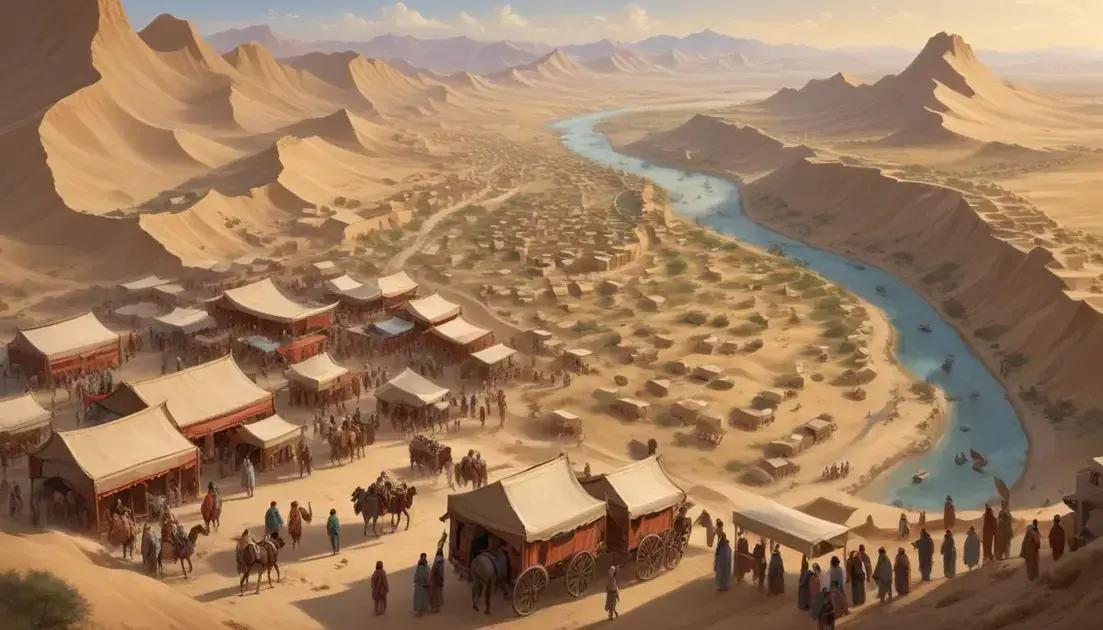
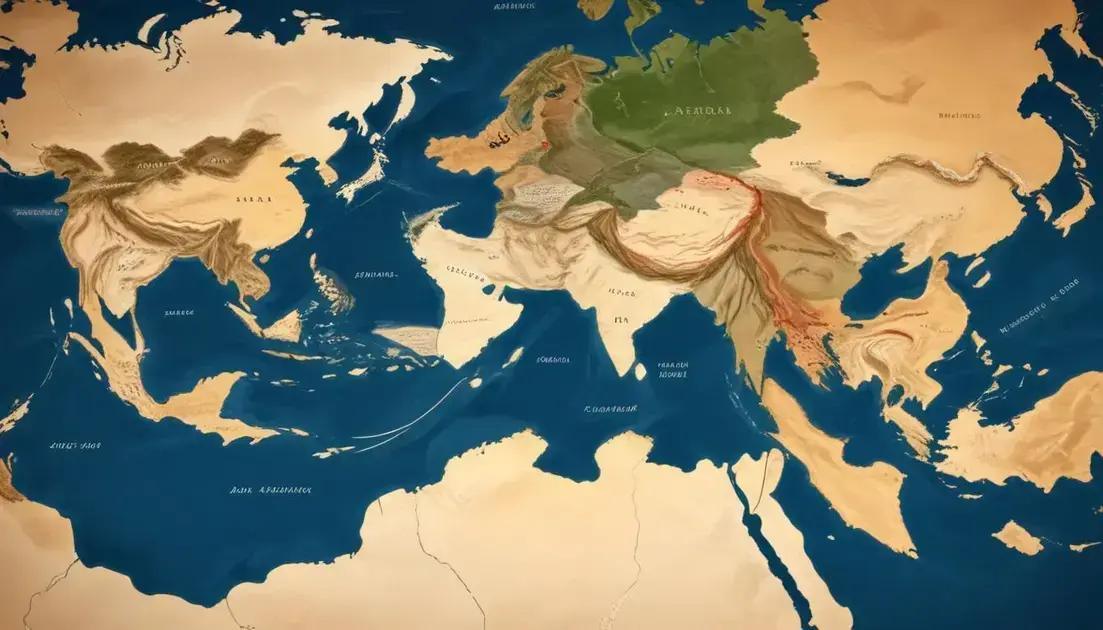
The Silk Road is a term that describes ancient trade routes linking the East and West. It dates back over 2,000 years. This network of roads allowed goods, ideas, and cultures to flow freely. Merchants traveled long distances, carrying silk, spices, and precious metals.
Origins of the Silk Road
It all started in China during the Han Dynasty. The demand for silk was high in places like Rome. This sparked trade, and soon, more goods were added to the mix.
Impact on Global Trade
The Silk Road transformed commerce. It connected Asia to Europe, allowing for cultural exchanges. This blend helped societies grow by introducing new technologies like papermaking and medicine.
Cultural Exchanges
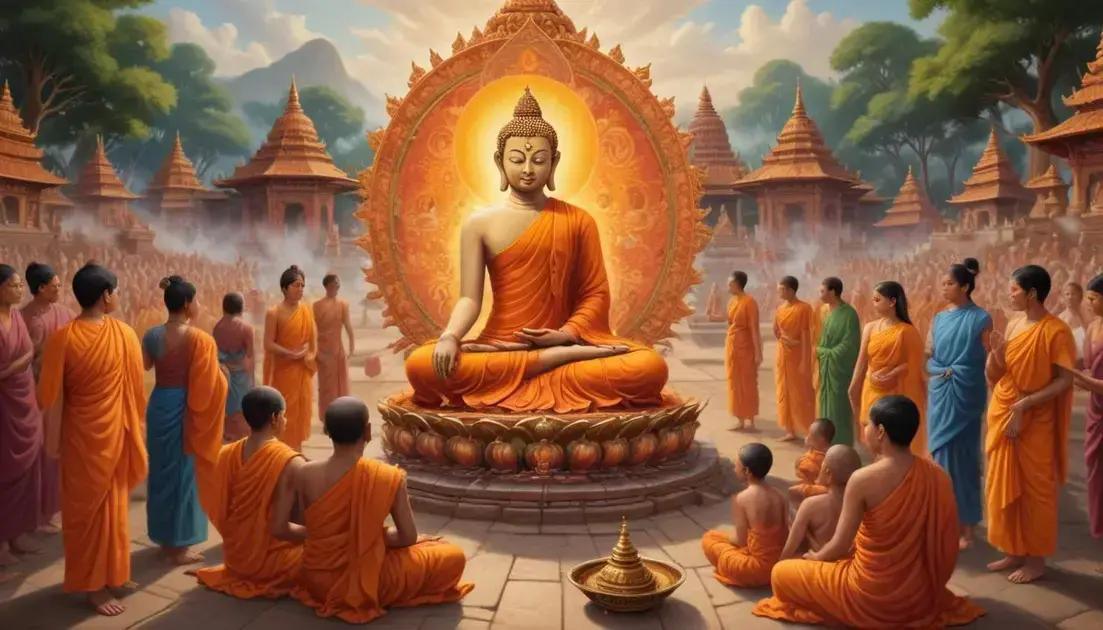
Along these routes, people shared art, religion, and traditions. Buddhism traveled from India to China, while Chinese inventions reached Europe. These shared ideas changed the world.
Challenges and Risks
Traveling along the Silk Road was risky. Traders faced natural barriers like mountains and deserts. They also dealt with bandits and local politics. Despite the dangers, the rewards of trade kept merchants on the move.
The Legacy of the Silk Road
Today, the Silk Road is a symbol of the interconnectedness of cultures. Its legacy continues to influence international trade and cultural exchange. It reminds us how trade can bridge divides and bring people together.
China’s Role in Modern Globalization
China plays a crucial role in modern globalization. Its rapid economic growth has shifted the global balance. Countries across the world rely on Chinese goods and investments.
Economic Influence
China is now the world’s second-largest economy. It produces everything from electronics to clothing. Many companies use Chinese factories to lower production costs.
Trade Agreements
China has signed many trade agreements. These arrangements help improve trade relations with other countries. By reducing tariffs, they make it easier for goods to flow.
Investment in Infrastructure
Through initiatives like the Belt and Road Initiative, China invests in infrastructure worldwide. This plan builds roads, railways, and ports to connect countries. These projects boost local economies and enhance trade.
Cultural Exchange
China also promotes cultural exchange. Through tourism and education, people learn about Chinese culture. This understanding fosters strong ties between nations.
Challenges Faced
Despite its strengths, China faces challenges in globalization. Issues like trade tensions and environmental concerns impact its relations. How China addresses these problems will shape its future role in the world.
Economic Impacts of the Silk Roads
The Silk Roads greatly influenced economies across continents. These ancient trade routes opened doors for merchants and traders. They facilitated the exchange of goods and services that transformed local markets.
Trade Goods
Silk was one of the most sought-after goods. Countries desired it for its softness and beauty. Other valuable items included spices, precious metals, and textiles.
Market Expansion
As trade flourished, so did various markets. Cities along the Silk Roads became bustling centers of commerce. Merchants made connections that allowed ideas and cultures to flourish, leading to economic growth.
Impact on Local Economies
Local economies thrived along the routes. Communities developed new industries based on goods traded. This led to job creation and wealth distribution among traders and craftsmen.
Exchange of Ideas and Innovation
The trade wasn’t just about goods. It also sparked the spread of ideas and innovations. Techniques in agriculture, medicine, and technology traveled along with the products.
Long-Term Effects
The economic impacts of the Silk Roads still resonate today. Trade patterns established centuries ago laid the groundwork for modern commerce. Understanding these historic connections helps us appreciate our global economy.
Cultural Exchange Along the Silk Routes
The Silk Routes were more than just trade paths; they were vibrant corridors of cultural exchange. People from different lands met and shared their customs, beliefs, and art. This mingling of cultures enriched societies along the way.
Art and Architecture
Travelers brought their art styles and building techniques. This led to unique blends in local architecture. Cities showcased a mix of styles, creating beautiful and diverse landscapes.
Culinary Influences
Meals and cooking methods traveled too. Spices, grains, and recipes exchanged hands. Cultures adapted new foods, leading to exciting culinary fusions that we still enjoy today.
Religious Spread
Religion also played a key role in cultural exchange. Ideas of Buddhism, Zoroastrianism, and later Islam spread along the Silk Roads. This helped shape the spiritual landscape of many regions.
Languages and Literature
Merchants and travelers shared stories and languages. This helped people learn new words and phrases. The exchange inspired a wealth of literature, with poets and writers drawing from diverse influences.
Lasting Impact
Cultural exchanges along the Silk Routes laid foundations for modern global culture. Even today, we celebrate the diversity and shared heritage that these connections have created.
Challenges and Opportunities for Nations
Nations face both challenges and opportunities along the Silk Routes. These ancient trade paths have shaped economies and cultures for centuries. However, engaging in modern trade can be complex.
Economic Challenges
Countries often struggle to balance trade relationships. Some nations may depend too heavily on imports, which can harm local industries. Protecting these economies is important while still encouraging trade.
Political Tensions
Political issues can arise between nations. Disagreements over trade agreements may lead to conflicts. Countries must work to resolve these issues to maintain strong relations.
Environmental Concerns
Trade along the Silk Routes can impact the environment. Increased shipping and production raise concerns about pollution and sustainability. Countries need to develop eco-friendly practices to protect the planet.
Technological Opportunities
On the positive side, technology opens new doors for nations. Advanced communication and transportation methods make trade easier. Countries can now connect with partners worldwide more efficiently.
Cultural Exchanges as Opportunities
Cultural exchanges create opportunities for understanding and cooperation. By sharing ideas and traditions, nations can build stronger bonds. These connections help to create a more peaceful global community.
Conclusion
In conclusion, the Silk Routes played a vital role in shaping trade, culture, and economies. They connected diverse nations and facilitated the exchange of goods, ideas, and art. Yet, nations still face challenges such as political tensions, economic dependency, and environmental concerns.
However, opportunities also arise from these challenges. Nations can leverage technology for better trade practices and foster cultural exchanges to build strong relationships. Embracing these opportunities can lead to a more connected and understanding global community. Ultimately, the legacy of the Silk Routes reminds us of the importance of cooperation and open connections in our modern world.
Tags: