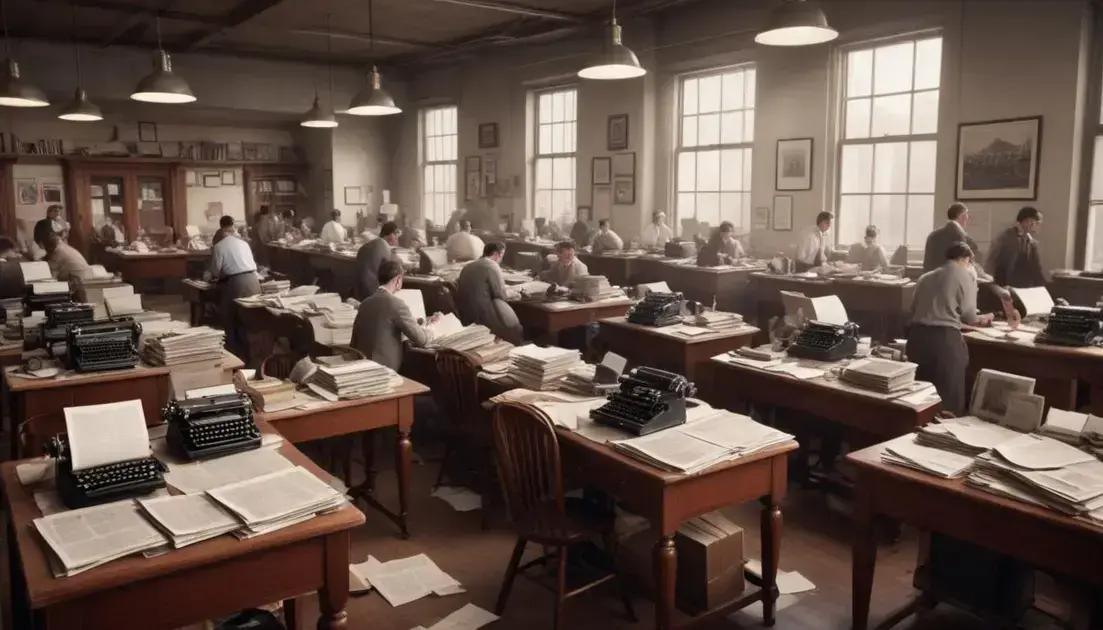
The newspaper that launched U.S. journalism
The evolution of U.S. journalism reflects significant changes driven by technology and societal needs. Key advancements, such as the telegraph and the internet, revolutionized news delivery and audience engagement. Modern journalism now embraces social media, enabling direct communication between reporters and readers. This shift has created a demand for engaging and accurate content, highlighting the importance of maintaining ethical standards while addressing contemporary challenges like misinformation.
Journalism has a rich history, shaped by the passion of many dedicated individuals. This little newspaper played a crucial role in transforming how information was shared and consumed. Want to know more about its journey?
The Origins of U.S. Journalism
The story of U.S. journalism begins in the colonial era. Back then, information flowed slowly. Most news was spread by word of mouth. But the invention of the printing press changed everything. It made it easier to share news with more people.
Early Newspapers
The first newspapers in America appeared in the early 1700s. One of the first was the Boston News-Letter, printed in 1704. It was a simple paper, mostly filled with reports on local matters.
The Role of the Press
As more newspapers launched, they began to play a key part in society. They spread ideas and informed the public on various issues. People started to rely on the press for news from both home and abroad.
Influential Figures
Many brave individuals shaped early journalism. For example, Benjamin Franklin was both a printer and a writer. He used his newspaper to promote political and social change. His work showed how powerful journalism could be.
Challenges Faced
However, journalism at that time faced many challenges. Noise, lack of resources, and sometimes censorship made things tough for journalists. Yet, their passion kept driving them to tell stories that mattered.
Key Figures in the Movement
Many key figures played a huge role in shaping U.S. journalism. They had a vision for what the press could be. One of the most notable was Thomas Paine. His writings inspired many during the American Revolution.
Thomas Paine
Paine’s pamphlet, Common Sense, called for independence from British rule. His clear and persuasive writing reached people from all walks of life. It showed how powerful words could be.
Other Influential Writers
Another important figure was Ida B. Wells. She fought against racial injustice and violence. Wells used her newspaper to expose the truth about lynchings. Her courage opened the eyes of many to the harsh realities of racial discrimination.
Support for Liberty
Ben Bradlee, the former executive editor of the Washington Post, pushed for investigative journalism. His work during the Watergate scandal showed the vital role of the press in democracy. Reporters can hold powerful figures responsible for wrongdoing.
Legacy of Journalists
These pioneers laid the groundwork for modern journalism. Their efforts showed that the press is essential for a free society. Each of them has unique stories to tell. Their commitment to truth continues to inspire journalists today.
The Impact of the Newspaper
The impact of the newspaper on society has been huge. Newspapers shaped public opinion and informed citizens about important issues. They brought local news to the forefront, connecting communities and fostering dialogue.
Spreading Information
Before newspapers, information spread slowly. The written word allowed facts, stories, and opinions to travel faster than ever. People could read about events happening far away, expanding their worldviews.
Political Influence
Newspapers played a big role in politics. They encouraged discussions about rights, freedoms, and governance. They provided a platform for different voices. Political leaders often used newspapers to reach the public directly.
Social Reform
Newspapers also acted as agents for change. They raised awareness about social issues, like women’s rights and labor conditions. For example, many papers supported movements that aimed to improve life for everyday people.
Building Communities
Local newspapers kept communities informed about regional events. They created a sense of belonging and local pride through news about schools, businesses, and local heroes. By sharing local content, newspapers helped form strong community ties.
Enduring Legacy
Even today, newspapers continue to impact society. They are essential for democracy and hold power accountable. The legacy of newspapers is one of empowerment and education, and it shapes how people engage with the world.
Challenges Faced by Early Publications
Early publications faced many challenges that tested their resolve. From censorship to financial issues, each obstacle shaped the landscape of journalism. The risks were high, and yet, reporters pushed through.
Censorship Issues
One big challenge was censorship. Governments wanted to control what was published. Editors had to navigate strict laws that aimed to silence dissenting voices.
Financial Struggles
Many newspapers struggled to stay afloat financially. Printing costs and distribution expenses added up quickly. They relied on advertising and subscriptions, but profits often fell short.
Limited Reach
Distribution was another hurdle. Early newspapers had a hard time reaching a broad audience. Many readers lived in rural areas far from cities. This limited the spread of information.
Public Trust
Building trust with readers was essential. Early journalists had to earn respect in a skeptical world. They worked hard to show that their stories were accurate and reliable.
Competition
Competition also played a role. As more newspapers sprang up, standing out became tough. Reporters had to find unique angles to keep readers engaged.
The Evolution Towards Modern Journalism
The evolution towards modern journalism is a fascinating journey. It shows how journalism has changed over time. Many factors contributed to this change, including technology and society’s needs.
Technological Advances
One big jump came with the advent of the telegraph. This device allowed news to travel faster than ever. Reporters could share breaking news almost in real-time. This set the stage for today’s instant information flow.
The Rise of the Internet
Then came the internet. This revolutionized how people consume news. Online platforms made it easy to access information anytime. News became just a click away, changing how journalists worked.
Social Media’s Influence
Social media added another layer. Platforms like Twitter and Facebook changed news sharing. Journalists now connect with audiences directly. This two-way communication allows for instant feedback and engagement.
Shifts in News Consumption
Modern audiences crave different content. They often prefer video and interactive storytelling. Journalists must adapt their methods to meet these demands. Engaging content is now essential for reaching readers.
Ethics and Standards
As journalism evolves, so do its ethics. Traditional principles still matter, but new challenges arise. Issues like misinformation and bias are now critical concerns. Journalists must ensure accuracy and fairness in their reporting.
Conclusion
In conclusion, the evolution towards modern journalism highlights the importance of adapting to change. From the rise of the telegraph to the influence of the internet and social media, journalism has transformed dramatically. Journalists today face new challenges but also exciting opportunities.
As technology continues to advance, journalists must embrace new methods. Engaging content and accurate reporting remain crucial. By understanding the needs of their audiences, modern journalists can build trust and keep readers informed.
Ultimately, the journey of journalism is ongoing. With every change, there’s a chance to improve and innovate. Staying true to the core values of the profession will ensure journalism remains a vital part of society.
Tags: