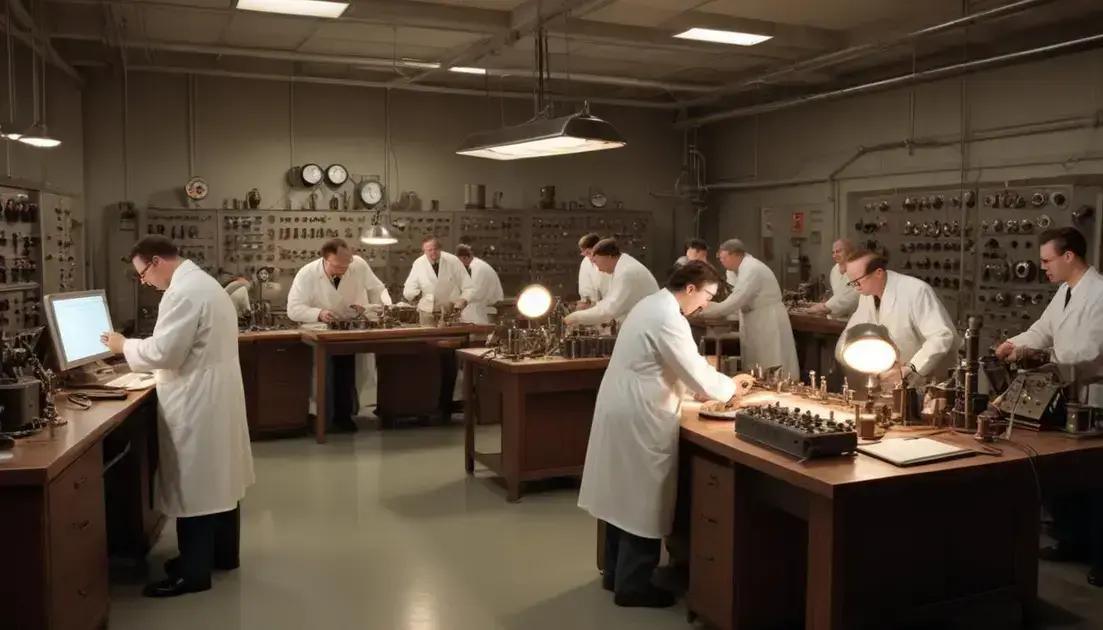
The scientists who built and regretted the bomb
The impact of nuclear weapons on global politics is profound, influencing international relations since their inception. These weapons are seen as a deterrent, preventing wars by making countries cautious about initiating conflict. During the Cold War, nuclear arms escalated tensions while leading to important treaties aimed at arms control. Today, challenges persist with nuclear proliferation and the threat of terrorism, highlighting the need for ongoing discussions about disarmament and responsible use of nuclear technology to ensure global security and peace.
Nuclear Science has illuminated the mind and shadowed humanity. The journey of scientists who created the atomic bomb is both inspiring and unsettling. What drove them to innovate, and what legacy did they leave behind?
The birth of nuclear energy
The birth of nuclear energy is a fascinating story filled with brilliant minds and tough decisions. In the early 20th century, scientists discovered that atoms could be split to release a massive amount of energy. This was a breakthrough that opened new doors for power generation.
Key Discoveries
Among the key discoveries were those made by scientists like Albert Einstein and Niels Bohr. Einstein’s equation, E=mc², revealed how mass can be converted into energy. This idea is at the heart of nuclear reactions.
The Manhattan Project
The Manhattan Project was a secret program during World War II aimed at developing nuclear weapons. Scientists worked together to harness nuclear fission, the process of splitting atoms. This project led to the creation of the atomic bomb, which changed warfare forever.
Nuclear Power Plants
After the war, nuclear energy found a peaceful purpose. In the 1950s, the first nuclear power plants began to generate electricity. These plants use the heat from nuclear fission to produce steam that turns turbines, generating power for homes and businesses.
Pros and Cons
Nuclear energy has many advantages. It produces large amounts of energy with low greenhouse gas emissions. However, it also poses risks, such as nuclear waste management and the potential for accidents.
Scientists continue to explore safer methods of using nuclear energy. With innovations in technology, the future of nuclear power can be more sustainable and secure for everyone.
The Manhattan Project: A historical overview
The Manhattan Project was a secret program during World War II. It aimed to develop the first atomic bombs. The project started in 1942 and involved top scientists from various fields.
Key Players
Famous scientists like Robert Oppenheimer and Enrico Fermi played major roles. They worked alongside many others, all contributing their knowledge to this ambitious project. The collaboration was vital for the project’s success.
Locations and Facilities
The project operated in multiple locations across the United States. Key sites included Los Alamos, New Mexico, Oak Ridge, Tennessee, and Hanford, Washington. Each site had a specific purpose, from research to production.
Development Process
Scientists faced many challenges while developing the atomic bomb. They needed to understand nuclear fission, which is the splitting of atoms to release energy. After much hard work, they successfully created two types of bombs: one using uranium and the other using plutonium.
Test and Use
The first test of an atomic bomb, known as the Trinity Test, took place in July 1945. It was a massive success, showing the world the power of nuclear energy. Later, the bombs were dropped on Hiroshima and Nagasaki, leading to Japan’s surrender and the end of World War II.
The Manhattan Project profoundly impacted history. It changed warfare and global politics, leading to an ongoing debate about the ethics of nuclear weapons. The project’s legacy continues today as we discuss nuclear energy and weapons.
Ethical dilemmas faced by scientists
Scientists involved in the development of nuclear weapons faced serious ethical dilemmas. This was especially true during the Manhattan Project. They had to balance their work with the potential consequences of their discoveries.
Responsibility for Consequences
Many scientists worried about how their inventions could be used. The atomic bomb could end wars, but it could also cause massive destruction. This made them question whether their work was truly for the greater good.
The Fear of Nuclear Warfare
As nuclear weapons became more powerful, fears grew about their use. Scientists debated that if one country had these weapons, others would feel pressured to get them too. This arms race could lead to a global conflict.
Moral Questions
The decision to drop atomic bombs on cities raised moral questions. Was it right to use such destructive weapons on civilians? Many scientists in the project struggled with this very issue. They pondered the lives lost versus the potential to end the war quickly.
The Legacy of Their Choices
The choices made during the Manhattan Project still haunt many. The ongoing threat of nuclear weapons today reminds us of their work’s impact. Scientists continue to wrestle with their responsibility in the face of such powerful technology.
The regrets of the atomic bomb creators
The regrets of the atomic bomb creators are a significant part of history. Many scientists who worked on the Manhattan Project later felt guilty about their role. They realized their invention caused immense suffering.
Reflection on Their Work
After the bomb was used in Hiroshima and Nagasaki, many creators had mixed feelings. They had achieved something amazing but at a great cost. The destruction was beyond what they imagined.
Impact on Humanity
Scientists understood the bomb’s power could lead to catastrophic wars. They worried about nuclear weapons falling into the wrong hands. The potential for global disaster weighed heavily on their consciences.
Public Statements
Some scientists publicly expressed their regrets. Figures like Leo Szilard and J. Robert Oppenheimer spoke out against the bomb’s use. They argued it was not just about winning the war; it was about human lives.
Calls for Control
Many advocates emerged, calling for nuclear disarmament and control. They pushed for international agreements to prevent future use of atomic bombs. Their goal was to ensure the horrors of Hiroshima and Nagasaki would never happen again.
The regrets of the atomic bomb creators still echo today. Their experiences teach us about the moral responsibilities that come with scientific discovery.
The impact of nuclear weapons on global politics
The impact of nuclear weapons on global politics is significant and complex. Since their creation, nuclear weapons have shaped international relations in many ways. They influence how countries interact and make decisions.
Deterrence Theory
Nuclear weapons are often seen as a deterrent. Countries with these weapons feel safer from attacks. This idea, known as deterrence theory, suggests that the threat of nuclear retaliation keeps peace.
The Cold War Era
During the Cold War, the presence of nuclear weapons led to a tense standoff. The United States and the Soviet Union built large arsenals to maintain a balance of power. This arms race created an atmosphere of fear and suspicion.
Treaties and Agreements
Various treaties have been established to control nuclear weapons. The Non-Proliferation Treaty (NPT) aims to stop the spread of nuclear arms. These efforts show the global commitment to managing nuclear threats.
Modern Challenges
Today, new challenges arise, such as North Korea’s nuclear program. Countries worry about rogue states gaining these weapons. Additionally, the threat of terrorism adds another layer of concern.
Nuclear weapons continue to shape global politics. Their existence forces nations to consider their actions carefully. The ongoing debate about disarmament highlights the balance between security and moral responsibility.
Conclusion
In conclusion, the impact of nuclear weapons on global politics is both significant and complex. They have shaped international relationships and influenced how countries act. The deterrence theory suggests that these weapons can prevent wars by making nations think twice before attacking.
Throughout history, nuclear weapons, especially during the Cold War, have created tensions but also led to important treaties aimed at reducing their numbers. However, challenges remain with ongoing threats from certain countries and the rise of terrorism.
Understanding the effects of nuclear arms can help us strive for a safer world. The discussions about disarmament and responsible use show that nations recognize the need for balance. Moving forward, it’s essential to address these issues while ensuring global security and peace.