The Segway: America’s unusual transportation icon
The Segway has transformed urban transportation by offering a unique, eco-friendly way to navigate cities. Its innovative design and gyroscopic technology allow for smooth rides, helping reduce traffic congestion and promote exploration. While it has faced challenges, the Segway remains a symbol of modern mobility, paving the way for electric personal vehicles and influencing urban planning for safer travel. With continued advancements, the future of transportation could see even greater integration of Segways and similar devices in our cities.
When you think of revolutionary modes of transport, the Segway likely comes to mind. Born from a futuristic idea, it redefined urban mobility and captured imaginations worldwide.
Introduction to the Segway
The Segway is an electric two-wheeled vehicle that changed how we think about transportation. Introduced in 2001, it quickly grabbed attention. People thought it would revolutionize the way we move around cities.
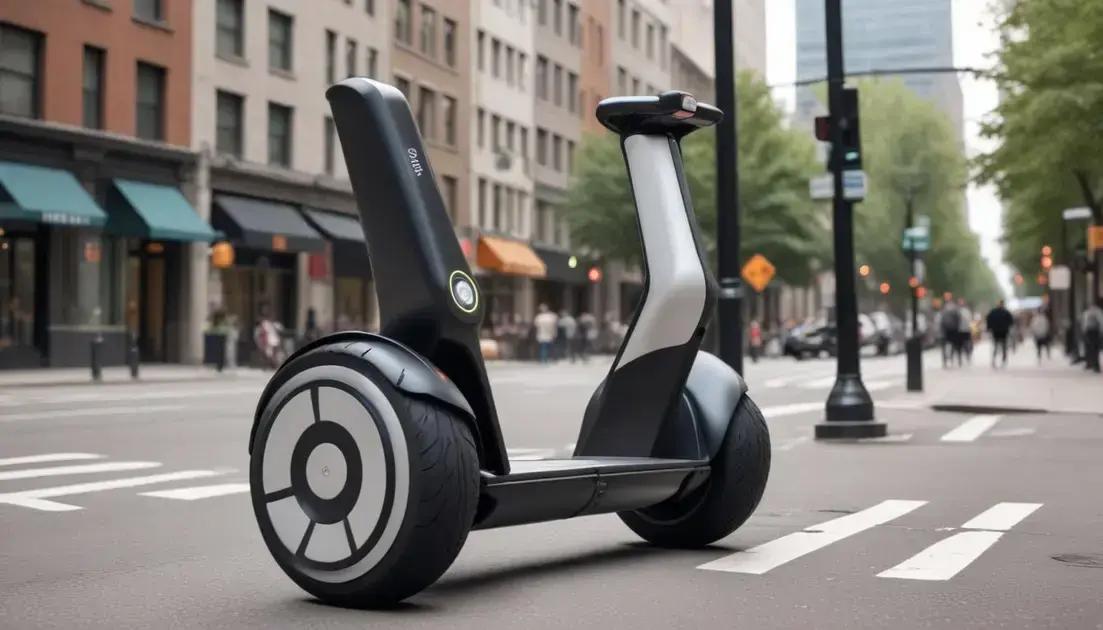
One of the neat things about the Segway is its design. It has a handlebar and runs on two wheels, balancing itself using gyroscopes. This allows riders to glide smoothly along sidewalks and parks without much effort.
Many saw the Segway as a solution for traffic problems. It offered an eco-friendly alternative to cars and made short trips easier. Imagine riding one to work or a fun outing. It sounded perfect, didn’t it?
Despite the hype, the Segway faced challenges. Some people were unsure about safety, and there were laws about where you could ride them. These issues slowed down its widespread use. Yet, it sparked new ideas in personal transport.
Today, the Segway remains a symbol of innovation. It shows how we can think creatively about getting from place to place. Plus, it opened the door for other electric transport options, from scooters to bikes.
The concept and design of the Segway
The Segway is unique because of its special design. It’s a two-wheeled electric vehicle that balances itself. Riders lean forward or backward to move, which feels natural and easy.
One of the coolest features is its gyroscope. This technology helps keep the Segway upright while riding. It makes the experience smooth and stable.
Each Segway is powered by batteries. These batteries give it enough energy to travel for hours. Depending on the model, a Segway can reach speeds of up to 12.5 mph, making it great for quick trips.
Another key part of its design is the handlebar. It’s not just for steering; it helps with balance too. The handlebar allows you to control the Segway with just a slight lean.
Segways come in different styles. Some are designed for urban areas, while others can handle rough terrains. This versatility makes them appealing for various uses, from personal transport to guided tours.
Overall, the concept of the Segway is all about convenience and innovation. It shows how creative thinking can lead to new transportation methods.
Segway’s impact on urban mobility
The Segway has made a big splash in urban mobility. It offers a fresh way to navigate busy streets. Many cities have embraced it as an eco-friendly transportation option.
One major impact is reducing traffic congestion. With more people using Segways, fewer cars are on the road. This helps keep city air cleaner and streets less crowded.
Segways also encourage people to explore their neighborhoods. Riders can cover a good distance while enjoying the outdoors. This makes city life more accessible and fun.
In many tourist areas, Segways have become popular for guided tours. They allow visitors to see attractions up close without feeling rushed. Tourists enjoy the unique experience while learning about the city.
However, the rise of Segways hasn’t come without challenges. Some places have struggled to create rules about where people can ride them. It’s important for cities to find a balance between safety and convenience.
Overall, the Segway has enhanced how we think about moving in cities. It’s a symbol of a shift toward smarter, greener transportation solutions.
Future of transportation with Segways
The future of transportation looks bright with Segways leading the way. As cities grow and congestion rises, more people are looking for alternatives. Segways offer a fun and practical solution for short trips.
With advances in technology, Segway models are becoming smarter. New features like better batteries and improved safety systems are emerging. This makes them even more attractive for daily use.
Many cities are working to create dedicated paths for Segways. This ensures safer riding and encourages more people to try them. A dedicated lane can make urban commuting simpler and less stressful.
Segways could also play a key role in sharing services. Imagine renting a Segway like you would a bike or scooter. This would give more people easy access without needing to own one.
As electric vehicles become more popular, Segways fit right in. They’re eco-friendly and help reduce carbon footprints. This aligns with the growing trend toward sustainable living and greener cities.
Overall, the potential of Segways in revolutionizing transportation is significant. They represent a shift in how we think about moving from place to place. The future is indeed bright for Segway technology and urban mobility.
Conclusion: The legacy of the Segway
The Segway has left a lasting mark on transportation and innovation. Its unique design changed how we think about moving in cities. Many see it as a symbol of modern mobility.
Even though it faced challenges, the Segway sparked new ideas. It inspired the creation of other electric vehicles, like scooters and e-bikes. These alternatives make urban travel more fun and efficient.
Segways also pushed cities to rethink their infrastructure. Many urban planners are now exploring better paths for personal transport devices. This growth leads to safer and more accessible environments for everyone.
Moreover, the Segway has become an icon in popular culture. It’s featured in movies and used in tours around major attractions. This recognition helps keep the conversation about innovative transportation alive.
While the Segway might not be as common today, its influence continues. It opened the door for new solutions in urban mobility. The legacy of the Segway is about embracing change and thinking outside the box.
Conclusion
In summary, the Segway has made a significant impact on urban mobility and transportation as a whole. Its design and technology have inspired new ideas that go beyond just one vehicle. As cities continue to grow, the need for innovative solutions like the Segway becomes even more important.
The idea of personal electric vehicles is now part of many cities’ future plans. Segways have helped push for better pathways and infrastructure for all types of riders. This shift not only enhances travel but also benefits the environment.
Overall, the legacy of the Segway teaches us to embrace change and think creatively. It shows how one innovative idea can spark new trends and solutions in everyday life. As we look ahead, we should remember the lessons learned from the Segway’s journey and continue to seek smarter ways to move around our cities.