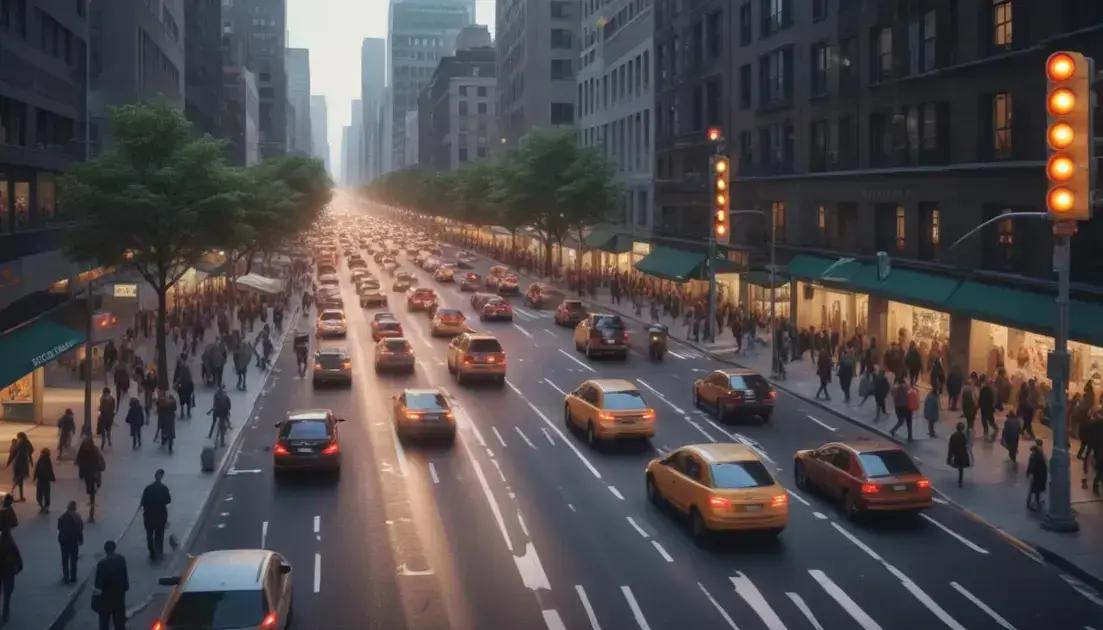
The traffic light: America’s solution to modern chaos
Traffic lights are crucial for urban safety and traffic management. They help regulate vehicle and pedestrian movement, reducing accidents and improving flow at intersections. With advancements like smart traffic lights, cities are becoming more efficient by adapting to real-time conditions. Future technology aims to enhance visibility for pedestrians and lower pollution levels. Overall, understanding the role of traffic lights can help appreciate their importance in making city life safer and smoother.
Ever thought about how a simple traffic light can change our cities? These lights do more than just control traffic; they organize our lives and keep us safe. Let’s explore this fascinating topic!
Introduction to the traffic light
Traffic lights are more than just colorful signals on the road. They keep us safe and help traffic move smoothly. These lights have been around for a long time and have changed how we drive.
Imagine waiting at a red light. It stops cars and lets pedestrians cross. This simple action saves lives and prevents accidents. Each color has a meaning: red means stop, green means go, and yellow means slow down.
The First Traffic Lights
The first traffic light was installed in London in 1868. It used gas lamps to show signals. Sadly, it was not very safe because it had an explosion. But this idea paved the way for the modern traffic lights we use today.
Improving Traffic Flow
Traffic lights help control the flow of cars on busy streets. By timing the lights right, we can reduce traffic jams. Some cities use smart lights that change based on real-time traffic. This makes driving easier for everyone.
Benefits for Pedestrians
Traffic lights are great for pedestrians, too. They provide safe crossings at busy intersections. Pedestrian signals tell people when to walk or wait. This helps keep everyone safe.
In the end, traffic lights play a key role in our daily lives. They make our streets safer and help keep traffic moving. So next time you see a traffic light, remember how important it is!
History of traffic management
The history of traffic management is quite interesting. It shows how cities have evolved. In the early days, roads were simple. People used horses and carriages, and there was no need for signals.
As cities grew, so did the number of vehicles. Traffic jams became a common problem. In response, cities started using signs to guide drivers. The first signs were often just wooden boards.
The Invention of Traffic Lights
In 1868, the first traffic light was invented in London. It used gas lamps and only had two colors: red and green. Unfortunately, it had safety issues and was removed after a short time.
Modern Traffic Lights
The first electric traffic light appeared in 1912 in Salt Lake City, Utah. This was a big step forward! Electric lights were easier to see and control. Over time, cities began to adopt them.
Timed and Smart Signals
As technology improved, traffic lights became more advanced. Timed signals were introduced. These lights change based on a set schedule. More recently, smart traffic signals have emerged. They analyze real-time traffic data to adjust timings.
The Role of Traffic Management Today
Today, traffic management is vital for urban planning. Traffic lights, signs, and signals work together to keep roads safe. They ensure vehicles and pedestrians can share the road without incidents. Traffic management helps reduce accidents and improve travel times.
Key benefits for urban safety
Traffic lights play a vital role in urban safety. They help prevent accidents and keep pedestrians safe. With clear signals, drivers know when to stop and go. This reduces confusion on the road.
One key benefit is that traffic lights create safe crossing points for pedestrians. When lights change, walkers know it’s safe to move. This helps pedestrians avoid dangerous situations.
Controlling Traffic Flow
Traffic lights also help manage traffic flow. By regulating the movement of vehicles, they can decrease congestion. This ensures smoother commutes for everyone.
Reducing Accidents
With well-timed traffic lights, the chances of accidents drop significantly. Lights help organize cars, making intersections safer. Without them, chaos could easily happen.
Adaptability to Changing Conditions
Many cities now use smart traffic lights. These lights adapt to real-time traffic conditions. They can change timing based on how busy the streets are. This flexibility helps improve safety during peak times.
Overall, the benefits of traffic lights for urban safety are clear. They create order on the streets, protect pedestrians, and reduce accidents. Investing in traffic management systems pays off for communities everywhere.
Impact on city traffic flow
Traffic lights have a big impact on city traffic flow. They help organize the movement of vehicles at intersections. This makes driving smoother and reduces waiting times.
One way traffic lights improve flow is by timing their signals. Coordinated lights can change together, allowing cars to move without stopping. This keeps traffic moving along major roads and highways.
Reducing Congestion
Traffic lights help reduce congestion in busy areas. By stopping cars in a controlled way, they prevent bottlenecks. Less congestion means shorter travel times and happier drivers.
Enhancing Pedestrian Safety
While managing vehicle flow, traffic lights also look out for pedestrians. They give time for people to cross safely, which is essential in busy urban areas. This balance between cars and walkers is key for smooth traffic.
Smart Traffic Systems
Many cities are adopting smart traffic systems. These systems adjust signals in real-time based on traffic patterns. They use sensors to monitor how many cars are at intersections. This allows traffic lights to change when needed, further improving flow.
In conclusion, the impact of traffic lights on city traffic flow is clear. They help keep roads organized and reduce congestion. This leads to safer and more efficient driving experiences for everyone.
Future of traffic light technology
The future of traffic light technology looks very promising. Cities are adopting smarter systems to improve traffic management. These systems will focus on real-time data to keep roads safe and efficient.
One exciting trend is the use of smart traffic lights. These lights can change their timing based on the current traffic flow. They use sensors to detect how many cars are waiting at intersections.
Connected Traffic Systems
Future traffic lights will likely connect with other city systems, like public transport. This will help control traffic more effectively. If a bus is running late, the lights can adjust to make sure it gets through faster.
Improving Pedestrian Safety
Another goal for future traffic lights is to enhance pedestrian safety. New designs may include signals that are easier to see. They could even have sound alerts for those who are visually impaired.
Environmental Considerations
Future traffic light tech will also focus on the environment. By improving traffic flow, cities can reduce pollution. Less stop-and-go traffic means lower emissions, which is good for our planet.
Overall, the future of traffic light technology promises safer streets, smoother traffic, and a cleaner environment. As cities adopt these new systems, they’re working toward a smarter and more efficient urban experience.
Conclusion
Traffic lights are essential for road safety and efficiency. They control how vehicles and pedestrians interact at intersections. By providing clear signals, they help prevent accidents and keep traffic flowing smoothly.
As we look to the future, smart technology will play a big role in traffic management. Lights can adapt to real-time conditions, improving how cities operate. This means safer streets and a better experience for everyone.
Continuous Improvement
Ongoing advancements in traffic light technology will keep our cities safe. From better visibility for pedestrians to reducing vehicle emissions, there’s so much potential. Smart systems will make roads safer and greener.
In the end, understanding the impact of traffic lights helps us appreciate their role in urban life. They’re more than just signals, they’re vital tools for better living.
Conclusion
In conclusion, traffic lights are vital for keeping our roads safe and organized. They help manage how cars and pedestrians move at intersections. By providing clear signals, traffic lights reduce accidents and make travel smoother for everyone.
Looking ahead, smart traffic light technology will continue to improve our urban experiences. These advancements will help cities adapt to real-time traffic conditions, leading to safer streets and more efficient commutes. As we embrace these changes, we can look forward to a future where technology plays a key role in enhancing city life.
Ultimately, understanding the impact of traffic lights helps us appreciate their importance in our daily lives. They are essential tools that keep our communities running smoothly and safely.