Thomas Jefferson: philosopher of freedom
Thomas Jefferson significantly influenced American history through his philosophical views on freedom and democracy, particularly as the principal author of the Declaration of Independence. His legacy is complex, encompassing his advocacy for individual rights and equality, while also marred by controversies regarding slavery and personal relationships. Jefferson’s ideas continue to inspire discussions on civil rights and governance, highlighting the importance of liberty and ethical responsibility in shaping society.
Thomas Jefferson was more than just a founding father; he was a visionary who shaped the idea of liberty in America. Curious to learn how his philosophies resonate today?
Jefferson’s Life and Background
Jefferson’s life was full of interesting events. He was born in 1743 in Virginia. Growing up, he loved to read and learn. His parents encouraged his curiosity. This passion for learning would shape his future.
As a young man, Jefferson studied at the College of William and Mary. He learned about law, science, and philosophy. These subjects helped him form his ideas about freedom and government. He believed in the power of reason and education.
Jefferson became a lawyer after school. He was very active in politics. He spoke out against British rule. In 1776, he wrote the Declaration of Independence. This document expressed his strong belief in personal freedom.
Throughout his life, Jefferson faced many challenges. He dealt with personal losses and political conflicts. However, he remained committed to his ideals. His vision for America shaped the nation’s future.
Jefferson also loved nature and science. He spent time studying plants and animals. He even had a large garden at his home, Monticello. This love for nature showed in his writings and ideas on agriculture.
His background shaped his views on democracy and human rights. Jefferson believed everyone had the right to life, liberty, and the pursuit of happiness. His life’s story is a testament to his commitment to these ideals.
His Role in Writing the Declaration of Independence
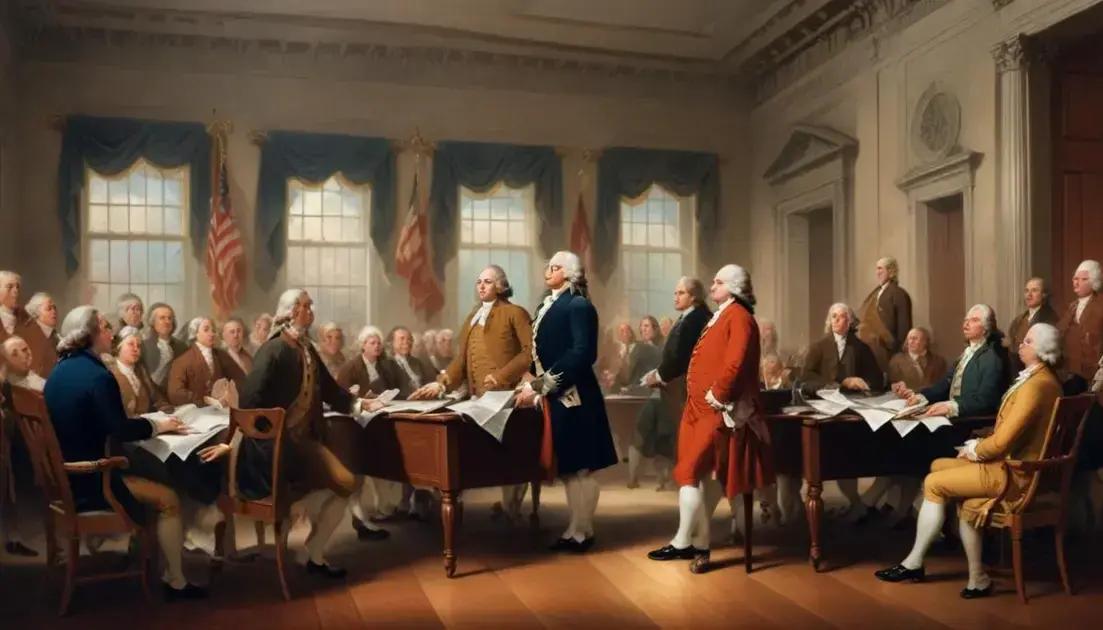
Thomas Jefferson played a key role in writing the Declaration of Independence. This important document was created in 1776. It declared that the American colonies were free from British rule. Jefferson’s words inspired many people during that time.
He wrote the Declaration in just a few weeks. Jefferson wanted to express the colonies’ desire for freedom. He believed that all people have rights that should be protected. These included life, liberty, and the pursuit of happiness.
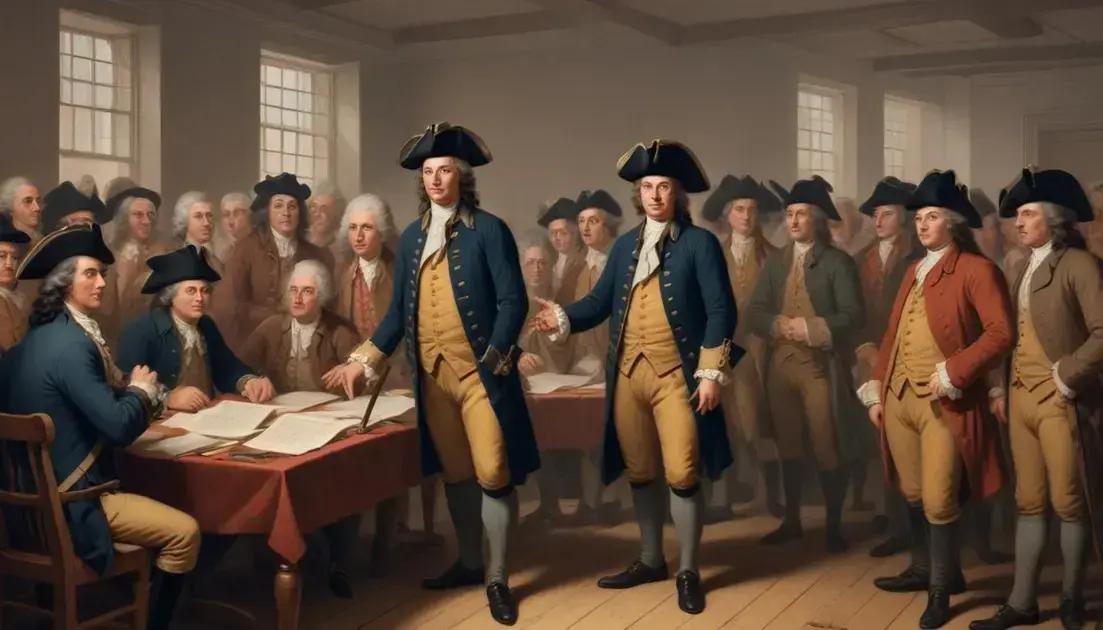
While writing, Jefferson faced a big role. He needed to represent the views of many people. He listened to their concerns and hopes. His goal was to unite the colonies for independence.
Jefferson used clear and powerful language. His writing captured the spirit of freedom and democracy. Many think it is one of the best expressions of these ideas.
When the Declaration was finished, it was approved by Congress. It was read to the public, sparking excitement and hope all around. Jefferson’s work helped shape the nation’s values.
Even today, the Declaration of Independence is a symbol of freedom. It shows how words can change the world. Jefferson’s role in creating it remains a significant part of his legacy.
Philosophical Views on Freedom and Democracy
Thomas Jefferson had strong philosophical views on freedom and democracy. He believed that every person has the right to make choices about their lives. He thought liberty was essential for happiness. To him, freedom meant more than just being free from oppression.
Jefferson believed that a democratic government should serve the people. He felt that citizens should have a voice in decisions affecting their lives. This is why he advocated for a government based on consent.
His ideas were influenced by Enlightenment thinkers. These philosophers emphasized reason, equality, and individual rights. Jefferson took these concepts and used them in his own beliefs.
He argued that education was crucial for democracy. Jefferson thought that an informed citizenry would create a better society. He believed that knowledge empowers people to make smart choices.
Jefferson also supported religious freedom. He thought everyone should practice their beliefs without interference. This belief in freedom of religion was part of his larger vision of liberty.
In his writings, Jefferson often stressed the importance of individual rights. He believed these rights should be protected by law. His views shaped many democratic ideas we still value today.
Impact on American Society
Thomas Jefferson’s ideas had a huge impact on American society. He believed in liberty and equality for all. His writings inspired future generations to fight for their rights.
The Declaration of Independence changed how people viewed government. It showed that citizens could demand change. This idea sparked movements across the nation.
Jefferson’s vision helped shape political systems. His focus on democracy meant that ordinary people had a say. This was a new thought at that time. It empowered many to believe their voices mattered.
Socially, his ideas led to more discussions about freedom. People began to think about what it truly means to be free. His thoughts influenced many leaders and thinkers after him.
Education also became a priority. Jefferson believed educated citizens could better protect their rights. Many schools and universities were founded based on these principles.
Additionally, his views on religious freedom opened doors for diversity. People felt safe to practice their faith without fear. This has contributed to America’s rich cultural tapestry.
Today, Jefferson’s influence is still felt. His belief in individual rights continues to inspire movements. His legacy reminds us of the importance of fighting for freedom and equality.
Controversies and Legacy
Thomas Jefferson’s life was not without controversies. While he is celebrated for his role in shaping America, some of his beliefs caused debates. One major issue was his views on slavery. Jefferson owned slaves himself, which contradicts his principles of liberty.
Although he spoke against slavery, he did not take strong action to end it. Many critics say this makes his legacy complicated. They argue that his actions did not match his words.
Another point of contention was his relationships with women. Jefferson had a well-known relationship with Sally Hemings, a woman he enslaved. This aspect of his life raises ethical questions about power and consent.
Despite these issues, Jefferson’s ideas left a lasting impact. His writings helped inspire movements for civil rights and equality. Activists often reference the Declaration of Independence to support their causes.
His belief in individual rights continues to influence American democracy. Many see him as a champion of freedom, but others question that view.
The debate over his legacy continues today. Schools teach his contributions, but also include discussions about his flaws. This approach provides a more complete view of who he was.
In the end, Jefferson’s legacy is complex. He was a man of his time, with beliefs that shaped a nation. Yet, his life also serves as a reminder to reflect on the ideals of freedom and justice.
Conclusion
In conclusion, Thomas Jefferson’s life and work left a lasting mark on America. His ideas about freedom, democracy, and individual rights continue to inspire people today. While his legacy is complex, it reminds us to think about what liberty truly means.
Jefferson’s writings sparked discussions about equality and justice. However, his personal actions also raise important questions about ethics and values. Understanding these challenges helps us appreciate his contributions more deeply.
As we reflect on Jefferson’s life, let’s remember that history is not just one story. It’s shaped by many voices and experiences. By studying figures like Jefferson, we can learn valuable lessons about our past and how to support a better future.