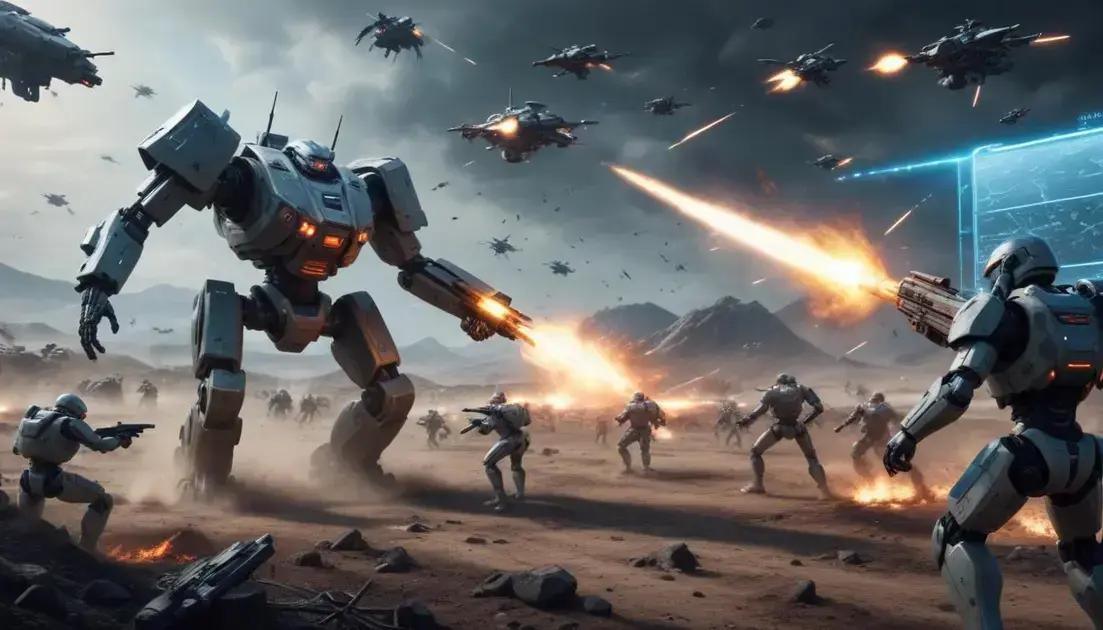
When AI commands the battlefield
AI is profoundly changing the landscape of modern warfare through innovations like drones, predictive analytics, and automated training programs. These technologies enhance military operations by improving decision-making and reducing risks for soldiers. However, ethical considerations also arise, raising questions about accountability and the responsible use of AI in combat situations. Understanding these dynamics is essential as military forces navigate the complexities of integrating AI into their strategies.
In today’s dynamic world, AI Warfare is not just a concept—it’s a reality that’s reshaping how we see conflict. How prepared are we for this new battlefront?
Introduction to AI Warfare
Artificial Intelligence (AI) is changing how wars are fought. With machines and software making quick decisions, the battlefield is evolving. But what does this really mean for soldiers and civilians alike? In AI Warfare, smart technology can analyze situations faster than any human. This means quicker responses and potentially safer operations.
How AI Works in Warfare
AI helps military forces by gathering data and spotting patterns. For example, drones can scan an area for threats and suggest actions. This speeds up decision-making and keeps soldiers out of harm’s way as much as possible.
Real-World Applications of AI in Combat
Today, some armies use AI for logistics, targeting, and surveillance. These tools assist troops in planning operations and ensure resources are used efficiently. AI can even predict enemy movements based on data analysis, which is a significant advantage.
Benefits and Risks of AI Warfare
While AI brings benefits like increased efficiency, it also raises questions. For instance, what happens if machines make wrong decisions? The ethical implications of machines deciding life-and-death situations need careful thought.
Moreover, AI can change the nature of combat. It makes wars potentially more strategic, but it also raises stakes for civilian safety. Understanding how to balance these elements is crucial as we move forward.
Technological Innovations in Military
Technological innovations are transforming the military. New tools improve how armed forces operate and strategize during conflicts. One major change is the use of AI. It helps analyze vast amounts of data quickly.
Smart Weapons and Drones
Drones are now common on the battlefield. They gather real-time data and can strike targets with precision. This can reduce risks for soldiers and save lives. Smart weapons can adapt during missions, making them more effective.
Data Analysis and Strategy
With advanced analytics, military leaders can see patterns in enemy movements. This information is valuable for planning operations. AI can even predict potential threats before they arise. This proactive approach can change the outcome of battles.
Improved Communication Systems
New communication technologies ensure that everyone stays connected. This allows for swift decision-making and coordination among troops. Clear communication can be the difference between success and failure in military operations.
Challenges of New Technology
While these innovations are exciting, they also present challenges. Cybersecurity becomes crucial as systems get more complex. Protecting sensitive data from hackers is essential. The military must continually adapt to stay ahead.
Future of Battles: AI Influence
The future of battles is heavily influenced by AI technology. As armies adopt smarter systems, warfare will change drastically. AI can help predict outcomes and improve strategies.
AI-Driven Strategy Development
Using AI, military leaders can analyze data from past battles. This helps them make better decisions in future conflicts. AI learns from each scenario, becoming more effective over time.
Reducing Human Error
One major benefit of AI is minimizing human mistakes. Automated systems can make quick calculations and decisions during chaos. This precision can save lives and resources in high-stakes situations.
Enhanced Training Simulations
AI also transforms how soldiers are trained. Virtual simulations can create realistic battle environments. These programs help troops practice responses without real-world risks. This immersive training prepares them for actual combat.
The Impact on Global Warfare
As countries invest in AI, the balance of power may shift. Nations that adapt quickly will have advantages in future conflicts. However, this can also spark an arms race in AI technologies.
Ethical questions arise too. How much control should machines have in lethal situations? These debates will shape how AI is integrated into military practices moving forward.
Ethical Considerations of AI in Warfare
As AI becomes part of warfare, ethical issues arise. One major question is whether machines should make life-and-death decisions. Should a robot choose to engage with an enemy target?
Accountability in Decision-Making
When AI systems make mistakes, who is responsible? Is it the programmer, the military, or the machine itself? These are tough questions that need clear answers.
Challenges of Automation
Automated systems may act faster than humans can respond. This quick action can lead to unintended consequences. An innocent person could be harmed due to a miscalculation by an AI system.
Reducing Human Oversight
Relying on AI means reducing human oversight in critical situations. Some argue that this could desensitize soldiers to the realities of war. If machines handle most decisions, will humans lose their moral compass on the battlefield?
The Need for Regulations
To address these issues, strict regulations are needed. Policymakers must work with tech experts to set up guidelines. These can help ensure that AI is used responsibly and ethically.
We must also consider the long-term impacts of AI in warfare. What lessons will future generations learn? Making strong ethical choices today can help shape a better tomorrow.
Case Studies and Real-World Applications
Looking at real-world examples helps us understand AI’s impact in warfare. Case studies show how different military forces use AI to gain advantages.
Example 1: Drone Usage in Combat
In recent conflicts, many armies have deployed drones for surveillance. Drones gather vital information without putting soldiers at risk. This capability changes how battles are planned and executed.
Example 2: Predictive Analytics
Military operations have also started using predictive analytics. These systems analyze data to forecast enemy movements. By anticipating actions, forces can plan strategic responses more effectively.
Example 3: AI in Training Programs
Some armed forces are adopting AI in their training programs. Simulators that use AI create realistic scenarios for soldiers. This training enhances skills while keeping personnel safe from real-world dangers.
Success Stories
Success stories from various nations highlight the effectiveness of AI. For instance, a country used AI for logistics, reducing delivery times significantly. This improved response rates in urgent situations.
Overall, these case studies show AI’s growing role in modern warfare. As technology continues to advance, new applications will emerge, further changing the landscape of conflicts.
Conclusion
In conclusion, the influence of AI in warfare is significant and growing. Technologies like drones and predictive analytics are changing how military operations are conducted. These advancements reduce risks for soldiers and improve decision-making on the battlefield.
As we explore real-world applications, it’s clear that AI provides many benefits. From enhancing training programs to optimizing logistics, AI enables forces to respond rapidly and effectively in critical situations. However, ethical concerns must also be addressed to ensure responsible use of these technologies.
As we move forward, understanding the impact of AI in warfare will be essential. This knowledge helps us prepare for the future and navigate the complexities that arise with new technologies. Embracing these changes can lead to safer and more strategic military operations.
Tags: