Yuan Dynasty: when Mongols ruled China
The Yuan Dynasty greatly influenced modern China through its promotion of cultural exchange, economic growth, and religious tolerance. Established by the Mongols, this period enhanced trade routes like the Silk Road, connecting diverse regions and bringing wealth. The era fostered a society where various religions coexisted, contributing to a rich cultural heritage that shapes contemporary Chinese values and governance structures.
Ever wondered about the Yuan Dynasty? This period marked a fascinating intersection of cultures and traditions, as the Mongols ruled over China, shaping its history in profound ways!
The Mongol Conquest of China
The Mongol Conquest of China was a significant event that shaped history. It began in the early 1200s when Genghis Khan united the Mongol tribes. His goal was to expand their territory and wealth. This led to a series of military campaigns across Asia.
Genghis Khan’s army was highly skilled and organized. They used advanced tactics like horseback archery and quick maneuvers. These strategies allowed them to defeat much larger armies. The Mongols brought fear and respect wherever they went.
The Siege of Beijing
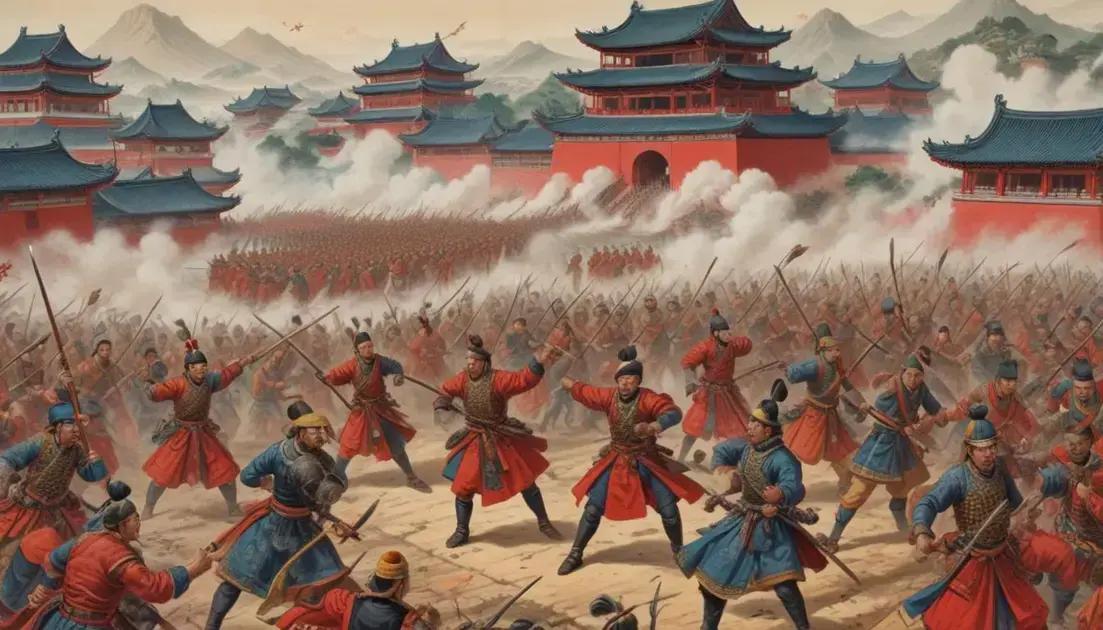
One of the most notable events was the siege of Beijing in 1215. The Mongols attacked fiercely, using catapults and other siege weapons. After months of fighting, Beijing fell. This victory marked a key moment in the Mongol conquest.
Effects on Chinese Society
The Mongols didn’t just conquer; they also adapted. They embraced many aspects of Chinese culture. This led to a unique blend of Mongolian and Chinese traditions. Trade routes opened up, and cultural exchanges flourished during this time.
Despite the harsh military rule, many people found new opportunities. The Mongols promoted trade and improved communication across their empire. This period saw a rise in commerce and cultural exchange.
The Leadership of Kublai Khan
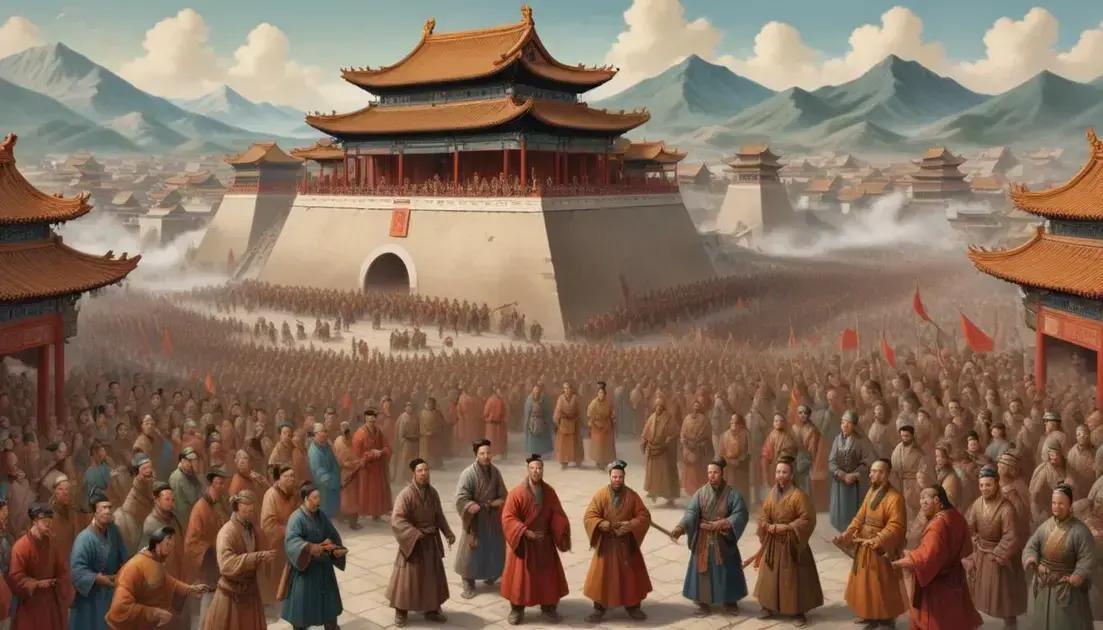
Kublai Khan, Genghis Khan’s grandson, eventually took over. He founded the Yuan Dynasty, which lasted from 1271 to 1368. Kublai Khan helped formalize Mongol rule in China. Under him, arts and sciences thrived, and many Chinese learned new practices.
The Mongol Conquest of China reshaped the nation. It led to a mix of ideas and cultures that influence China even today. Understanding this historical event reveals much about China’s development and resilience.
Cultural Integration during Yuan Dynasty
Cultural integration during the Yuan Dynasty was fascinating and complex. The Mongols brought together various cultures from their vast empire. This led to a unique blend of traditions, customs, and ideas.
When the Mongols took control, they encouraged people to share their cultures. Scholars, artists, and merchants from all over came to China. They interacted and exchanged knowledge, which enriched society.
Art and Literature
Art flourished during this period. Artists mixed Chinese styles with Mongolian influences. The result was beautiful paintings, sculptures, and crafts. Literature also thrived, with new poetry and stories emerging. This helped preserve many traditions and created new ones.
Religious Tolerance
The Yuan Dynasty was known for its religious tolerance. The Mongols allowed people to practice different religions freely. Buddhism, Taoism, Islam, and Christianity all found space to grow. This acceptance created a rich spiritual environment.
Trade and Commerce
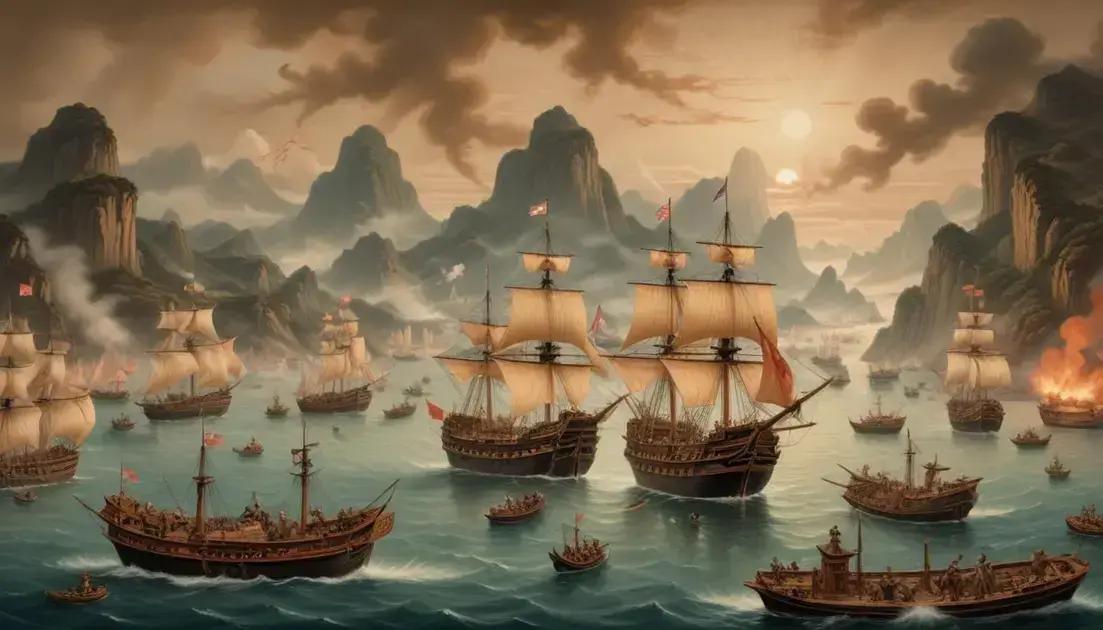
Trade expanded vastly during this era. The Silk Road linked China to the rest of the world. The exchange of goods led to economic growth. People traded silk, spices, and other treasures. This flow of trade also included cultural ideas and technologies.
Through cultural integration, the Yuan Dynasty shaped a new identity for China. This mix of different backgrounds and practices created a vibrant society. Even after the Mongols left, their influence remained in Chinese culture.
Economic Development under Mongol Rule
Economic development under Mongol rule transformed China in many ways. The Mongols established a vast empire that connected many regions. This created a strong network for trade, which helped economies grow.
One factor was the improvement of trade routes. The Silk Road became busier. Goods like silk, spices, and precious metals exchanged hands. This trade brought wealth not just to the Mongols but to local merchants too.
Taxation and Revenue
The Mongols introduced new taxation policies. These helped fund their military and government. While the taxes were high, they also provided public services. Roads were built, and safety increased for traders. This encouraged more people to invest in trade.
Commerce Expansion
The Yuan Dynasty saw the rise of cities. As trade grew, so did urban areas. Cities became bustling centers of business. Many shops and markets opened. There was a mix of cultures, leading to a variety of goods for sale.
The Mongols also invited foreign merchants to China. They allowed Muslim and European traders to settle. This led to new ideas and technologies flowing into China. For example, new agricultural techniques improved farming.
Currency and Banking
The introduction of paper money was another major change. This made transactions easier. People did not have to carry heavy coins. It helped boost trade as everyone accepted the new currency.
Overall, economic development during Mongol rule had lasting effects. It set the stage for a more interconnected world. The Yuan Dynasty’s focus on trade and commerce shaped China’s future.
Religious Tolerance in Yuan China
Religious tolerance in Yuan China was a notable aspect of Mongol rule. The Mongols practiced various religions, including Buddhism, Islam, and traditional shamanism. They believed in allowing everyone to worship freely.
This openness led to a rich spiritual environment. People could practice their faith without fear of persecution. Temples, mosques, and churches flourished during this time.
Support for Different Faiths
The Yuan emperors showed support for many religions. For example, Kublai Khan invited Buddhist monks and Muslim scholars to his court. This helped promote cultural and religious exchanges.
Impact on Society
This atmosphere of acceptance encouraged a blend of ideas. Different cultures shared their practices and beliefs. This mix made the society more diverse and vibrant.
Many people felt safe to express their faith openly. This led to increased dialogue between different religious groups. The exchanges enriched art, literature, and philosophy during the Yuan Dynasty.
Legacy of Tolerance
The legacy of religious tolerance stayed in China long after the Yuan Dynasty. It helped shape attitudes toward different faiths in later periods. Many people still look back at this time as a remarkable example of diversity.
In conclusion, religious tolerance played a key role in Yuan China. It helped create a unique and diverse society that integrated various cultures and beliefs.
The Impact of the Yuan on modern China
The impact of the Yuan Dynasty on modern China is significant and far-reaching. The Mongol rule introduced many new ideas and practices. These changes still influence China today.
One major effect was the establishment of a large, integrated empire. This helped unite various regions of China. It laid the groundwork for China’s later development as a strong nation.
Cultural Exchange
The Yuan Dynasty facilitated cultural exchange. The Mongols welcomed traders and scholars from different backgrounds. This mingling of cultures led to innovations in art, science, and philosophy.
Trade Routes and Economy
The Silk Road flourished during this time. It opened new trade routes across Asia and beyond. This boosted the economy and made cities like Beijing and Xi’an important trade centers.
Religious and Social Diversity
The religious tolerance practiced by the Mongols shaped modern attitudes. Different faiths coexisted, which contributed to a diverse society. This acceptance encouraged a culture of openness that is valued in China today.
Moreover, the administrative practices established during the Yuan laid the foundation for future governments. The use of centralized authority and bureaucratic systems continues in modern governance.
Long-lasting Influence
The Yuan Dynasty’s legacy is still present in Chinese culture. From language to festivals, elements of this era remain alive. Understanding the Yuan helps us appreciate how history shapes our present.
Conclusion
In conclusion, the Yuan Dynasty had a profound impact on modern China in many ways. From fostering cultural exchange to boosting trade, the changes made during this period still shape the nation today. The Mongol commitment to religious tolerance created a diverse society that encourages acceptance and openness.
Furthermore, the administrative practices and strong trade routes established by the Yuan helped unify China. These foundations have influenced China’s growth and development throughout history. Understanding the legacy of the Yuan Dynasty allows us to see how history has shaped modern Chinese culture and society.