Yugoslav Wars: Europe’s last major conflict
The Yugoslav Wars were a series of conflicts in the Balkans during the 1990s, driven by ethnic tensions and nationalism. Major battles, such as the Siege of Sarajevo and the Battle of Vukovar, highlighted the brutality of the war. International intervention, particularly from NATO, played a crucial role in ending the violence and establishing peace through the Dayton Accords. The aftermath left lasting scars, with new nations emerging and ongoing efforts for reconciliation. Understanding this history is essential for promoting peace and recognizing the human cost of war.
Yugoslav Wars have reshaped Europe in ways we’re still grappling with today. What sparked such intense ethnic tensions, and how did they lead to this brutal civil war?
The buildup to the conflict
The buildup to the Yugoslav Wars was marked by rising ethnic tensions. Different groups, like Serbs, Croats, and Bosniaks, had long-standing grievances. In the late 1980s, these issues grew worse. Economic struggles and political changes added fuel to the fire.
Slobodan Milošević, a key figure, stirred nationalistic feelings. He promised to protect Serbs and regain territory. This rhetoric created fear and anger among other ethnic groups. As a result, people began to take sides.
In 1991, Croatia declared independence from Yugoslavia. This sparked a violent response from Serbia, leading to clashes. Battles erupted over borders, and the fear of ethnic cleansing became real.
The international community watched in alarm but was slow to respond. Countries like Slovenia also sought independence, adding to the chaos. Ethnic disagreements turned bloody, with families caught in the conflict.
As violence escalated, attempts for peace repeatedly failed. Each step towards independence deepened divisions and led to more bloodshed. The buildup of tensions eventually exploded into full-scale war, marking a tragic chapter in European history.
Major battles and turning points
During the Yugoslav Wars, several major battles shaped the outcome of the conflict. Each battle marked a turning point, impacting different ethnic groups.
One key battle was the Siege of Sarajevo. This lasted from 1992 to 1996 and became a symbol of the war’s brutality. Snipers controlled the city, creating fear among residents. People suffered from shortages of food and medicine.
Another significant event was the Battle of Vukovar. It took place in 1991 and ended with heavy destruction. The city fell to Serbian forces after months of fierce fighting. This loss shocked Croatia and intensified their resolve for independence.
The Battle of the Bosnian War was also critical. It involved various factions, including Croats, Serbs, and Bosniaks. Areas like Srebrenica witnessed tragedy during this time, leading to many civilian casualties.
International intervention shifted the war’s direction. NATO airstrikes targeted Serbian positions in 1995, pressuring them to negotiate. The Dayton Agreement followed, establishing peace and a new political structure in Bosnia.
These battles and events were more than just military conflicts; they changed lives forever. They highlight the region’s complex history and the deep scars left by the war.
International intervention
The Yugoslav Wars saw significant international intervention that aimed to stop the violence. Many countries and organizations recognized the brutal conflict and sought ways to help.
In the early days of the war, the United Nations stepped in. They sent peacekeepers to monitor the situation. However, their presence didn’t stop the fighting. Limited mandates left them unable to protect civilians effectively.
As the war escalated, NATO became involved. In 1995, NATO launched airstrikes against Serbian targets. This was a turning point in the conflict. The airstrikes aimed to pressure the Serbian forces and encourage peace talks.
The Dayton Accords followed in late 1995. This agreement brought an end to the fighting. It established a framework for peace in Bosnia. Many saw it as a success for international diplomacy.
Meanwhile, humanitarian organizations worked tirelessly to help those affected. They provided food, medical aid, and shelter to displaced families. Their efforts highlighted the human cost of the war.
Despite the intervention, many questions remain. Some argue that the international community could have acted sooner. Others believe more effort was needed to ensure lasting peace. The impact of international intervention still influences the region today.
The aftermath and legacy
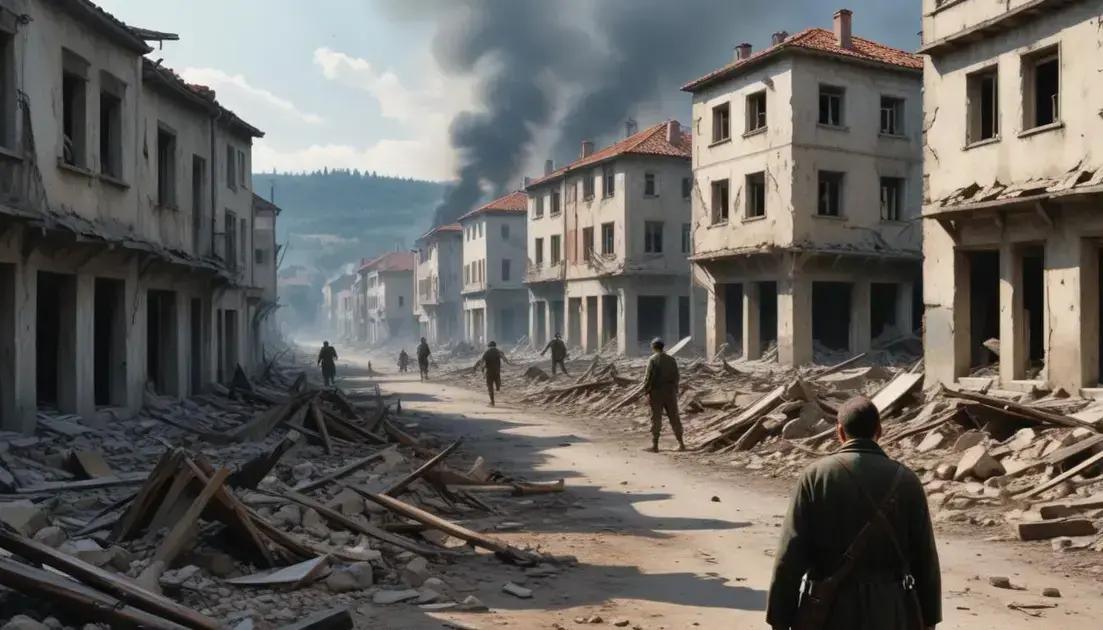
The aftermath of the Yugoslav Wars left deep scars on the region. The conflict caused immense loss of life and suffering among civilians. Thousands of people were displaced, and cities lay in ruins.
One major outcome was the creation of new nations. Bosnia and Herzegovina, Croatia, and Slovenia gained independence. Each country faced its own challenges in rebuilding and establishing a stable government.
The wars also highlighted the importance of international law. Many leaders were prosecuted for war crimes. This included the tribunal at The Hague, which aimed to ensure justice for victims.
Today, the legacy of the wars is still felt. Ethnic tensions linger, and reconciliation is a slow process. Communities often struggle to move past the divisions that the conflict created.
However, there are efforts for healing and understanding. Various organizations work to promote dialogue and cooperation among different groups. Education plays a crucial role in ensuring future generations learn from the past.
The stories of survival and resilience continue to inspire. Many people in the region are focused on building a peaceful future. The lessons learned from the Yugoslav Wars remind us of the need for solidarity and mutual respect.
Conclusion
In summary, the Yugoslav Wars changed the course of history in the Balkans. The conflict taught many hard lessons about the cost of war and the importance of peace. Countries like Bosnia and Croatia are still healing, but they show strength and resilience.
International efforts helped bring an end to the fighting, but the legacy of the war remains. The struggles for reconciliation continue, reminding us that understanding each other is vital. Organized groups work hard to build bridges and promote dialogue.
As we reflect on the past, it’s crucial to remember the human stories behind the headlines. People affected by the war deserve recognition and support. By learning from history, we can work towards a more peaceful future for all. Together, we can make sure that the mistakes of the past are not repeated.