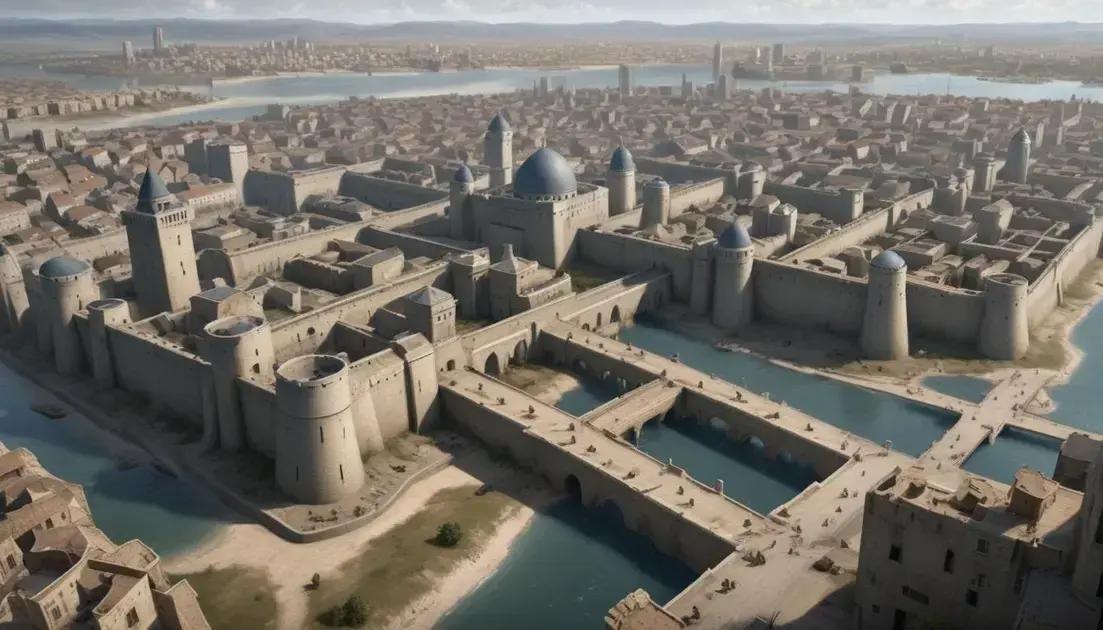
Cities built for war: architecture of defense
The future of city planning is increasingly shaped by defense architecture, focusing on safety, community involvement, and smart technology integration. Modern designs aim to balance security with livability, prioritizing resilience against climate threats while involving local residents in planning efforts. As cities evolve, these innovations will help create secure, welcoming environments that meet the needs of the population.
War architecture has profoundly influenced how cities are designed and built over time. With the looming threat of bombs and invasions, urban planning becomes a reflection of our fears and necessities. Curious about how architecture can change our idea of safety? Dive in!
The history of war-related architecture
The history of war-related architecture reveals how cities evolved under the threat of conflict. Many buildings were designed to withstand attacks, protect citizens, and serve military needs. Fortified structures, like castles and bunkers, became vital in ancient times.
Fortifications in Ancient Times
Ancient civilizations understood the need for defense. They built walls around cities to keep enemies out. These walls weren’t just for show; they were essential for safety. In places like ancient Rome, military strategy influenced city design directly.
Medieval Castles and the Rise of Defense
During the medieval period, castles dominated the landscape. They served as homes for nobles and military strongholds. These structures featured thick walls, moats, and towers. The design made it hard for attackers to breach the defenses.
Modern Influences on War Architecture
As technology advanced, so did architectural styles. The introduction of gunpowder led to star forts with angled walls. These designs helped withstand cannon fire. Cities like Vauban’s fortifications in France showcase this shift.
Post-War Architecture and Reconstruction
After major wars, cities underwent reconstruction. This brought new architectural styles that merged old and modern ideas. Urban planning began to prioritize both defense and livability. Modern architecture focuses on open spaces while considering security needs.
Today, even in peaceful times, some cities maintain remnants of their war-related architecture. These structures remind us of the past and the impacts of conflict on urban landscape.
Key examples of cities built for defense
Key examples of cities built for defense show how architecture reflects concerns about safety. Many cities have unique designs meant to protect their people. Let’s explore some famous examples.
Carcassonne, France
Carcassonne is a stunning fortress city. Its double walls and towers kept invaders at bay. The architecture is a mix of Roman and medieval styles. Visitors love walking through its narrow streets and feeling the history.
Dubrovnik, Croatia
Dubrovnik, often called the “Pearl of the Adriatic,” features impressive stone walls. These walls protected the city from sea attacks for centuries. Today, they’re a UNESCO World Heritage site, attracting many tourists every year.
Jerusalem, Israel
Jerusalem’s Old City has ancient walls that date back to the 16th century. These walls showcase a blend of different architectural styles. They stood firm against many sieges throughout history.
Mont Saint-Michel, France
Mont Saint-Michel is a small rocky island with a grand abbey. Its defenses include cliffs and walls that make it hard to access. This island has a rich history and remains a popular tourist spot.
Many cities worldwide have these strong designs. Each one tells a story of defense and resilience, proving how architecture can safeguard communities.
The impact of defense architecture on urban planning
The impact of defense architecture on urban planning is significant and wide-reaching. When cities design their spaces, defenses often take the lead. This means that planners consider safety first.
Creating Safe Spaces
Defensive structures shape how we plan neighborhoods. Planners create open areas where people can gather but still feel secure. This balance of community and safety is essential.
Influencing Street Layouts
Urban planners often design street layouts based on defense needs. Streets might curve to limit visibility and enhance security. Such designs were common in medieval cities, where safety was a top priority.
Parks and Green Spaces
Defense architecture also affects where parks and green spaces appear. These areas provide safe havens for people while acting as natural barriers. Parks can help soften the harshness of a fortified area.
Modern Designs Focused on Safety
Today, architects use modern materials to create safe buildings. They blend aesthetics with security measures. This helps cities protect their inhabitants from various threats.
Throughout history, defense architecture has shaped how cities look and function. It helps create environments that prioritize safety while also being welcoming.
Modern interpretations of war architecture
Modern interpretations of war architecture reflect our changing needs and technology. Today, we see buildings that focus on both safety and beauty. These designs adapt to present-day challenges while also honoring history.
Blending Old and New
Modern architects often blend traditional defensive styles with contemporary elements. They use strong materials and smart technology to enhance security. This mix helps create resilient buildings that still look inviting.
Creating Multi-Functional Spaces
New designs often serve multiple purposes. Buildings designed for defense can also host community events. This makes them valuable assets in urban areas. Architects aim to create spaces that foster connection while ensuring safety.
Emphasizing Sustainability
Sustainability is becoming a crucial aspect of modern designs. Architects consider the environment when creating these buildings. They aim for energy efficiency and less impact on nature, promoting a greener future.
Use of Technology
Tech plays a big role in modern war architecture. Smart security systems, like surveillance cameras and alarms, keep people safe. These features blend seamlessly into designs, enhancing protection without compromising aesthetics.
As we shape the future, modern interpretations of war architecture will continue to evolve. They aim for safety and comfort, making cities more secure and livable.
Future of city planning in the context of defense architecture
The future of city planning in the context of defense architecture looks promising and innovative. As cities grow, planners need to adapt to new challenges. Defense architecture will play a key role in this evolution.
Prioritizing Security
Future city plans will focus on security without sacrificing comfort. Planners will create spaces that protect people but also invite them to come together. This balance is essential for thriving communities.
Integrating Smart Technology
Smart technology will transform how cities function and stay safe. Buildings and public spaces will use systems for monitoring and alerting residents. This tech enhances safety while making urban living more connected.
Emphasizing Resilience
Urban planning will emphasize resilience against threats like climate change. Green roofs and water management will become standard. These features will help cities adapt and remain safe during extreme weather events.
Community Involvement
Future planning will also focus on involving communities in decision-making. City residents will provide valuable input on defense architecture. This collaboration ensures that designs meet the needs of the people.
As we look ahead, defense architecture will shape how cities grow and change. It’ll help create safe, inviting, and resilient urban spaces for everyone.
Conclusion
In conclusion, the future of city planning and defense architecture is bright and necessary. As cities grow, safety and security will remain important. Modern designs will make urban spaces strong and welcoming.
Smart technology will not only protect but also connect residents. This creates communities where everyone can thrive. Involving people in planning ensures buildings and spaces meet their needs.
By focusing on resilience, cities can adapt to challenges like climate change. This way, planning will create safe neighborhoods that people love. Overall, the blend of defense and community will shape better cities for all.